01
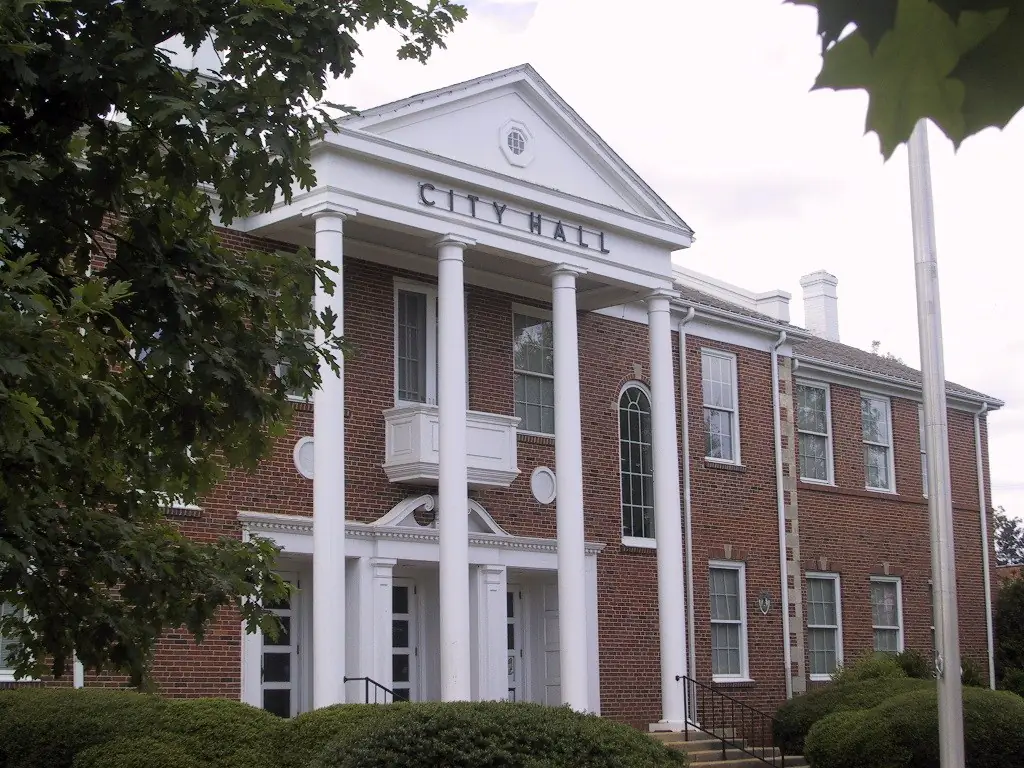
Now / City Facility / YMCA building
City Facility Hub
Begin with access. Begin in the recreation room. Assess equipment, connectivity and access, then connect training and early ideas with employer demand and feasible infrastructure.
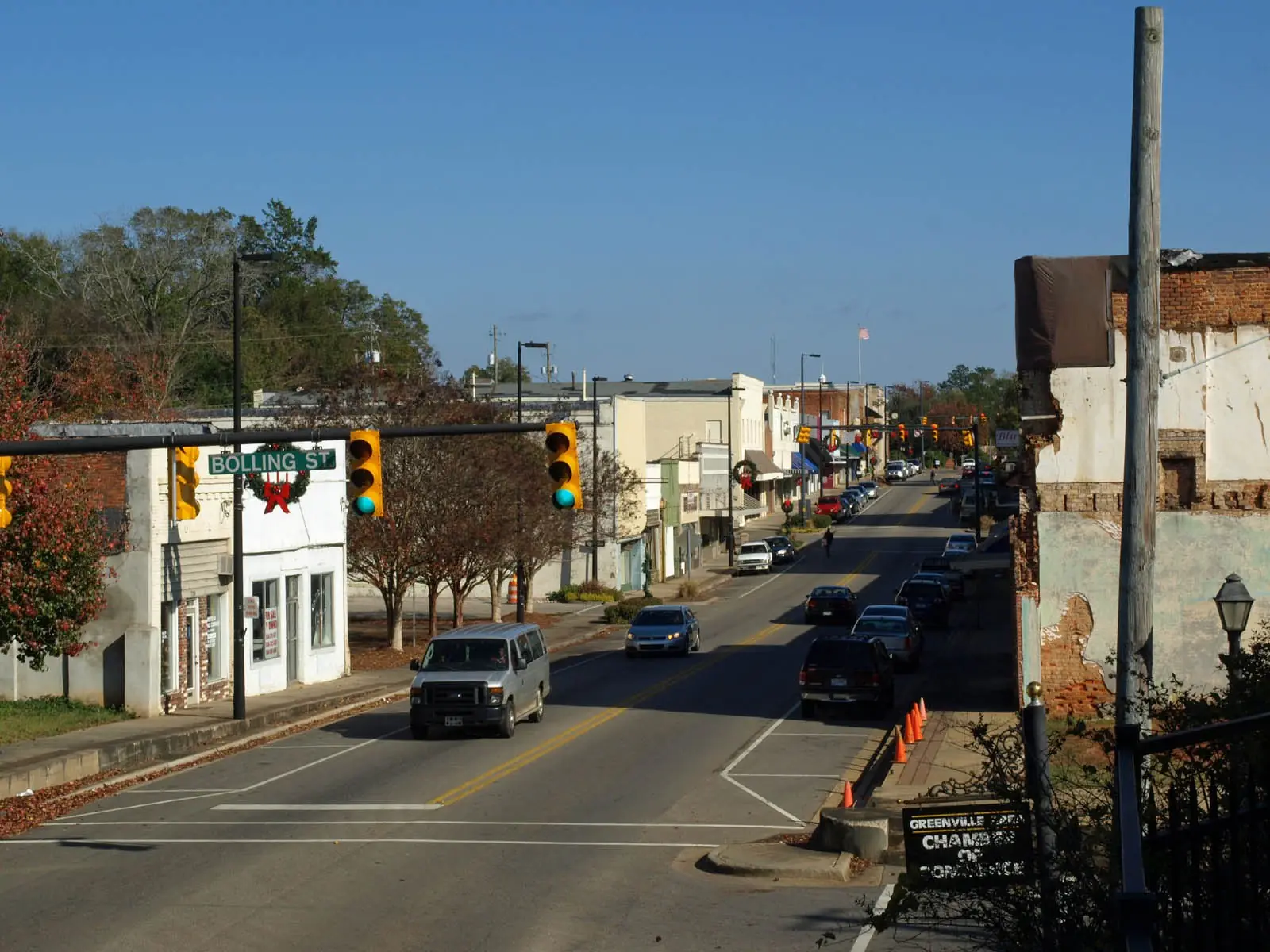
Greenville Innovation Hub / 2150-led / Greenville, Alabama
Where academia, industry, and community unite to scale local startups.
The company we are launching/Fall 2027
Building a rural infrastructure digital intelligence company that helps communities turn local needs into investment-ready projects.
01NowCity Facility Hub
02Target: Spring 2027Downtown Expansion
03Envisioned: 2028Larger Rural Ecosystem
From right here
Shopkeepers, teachers, students and tradespeople carry it. Through Project Camelia, 2150, PIN and the City of Greenville are exploring how equipment, workspace, training and industry connections can put local enterprise opportunities within reach.
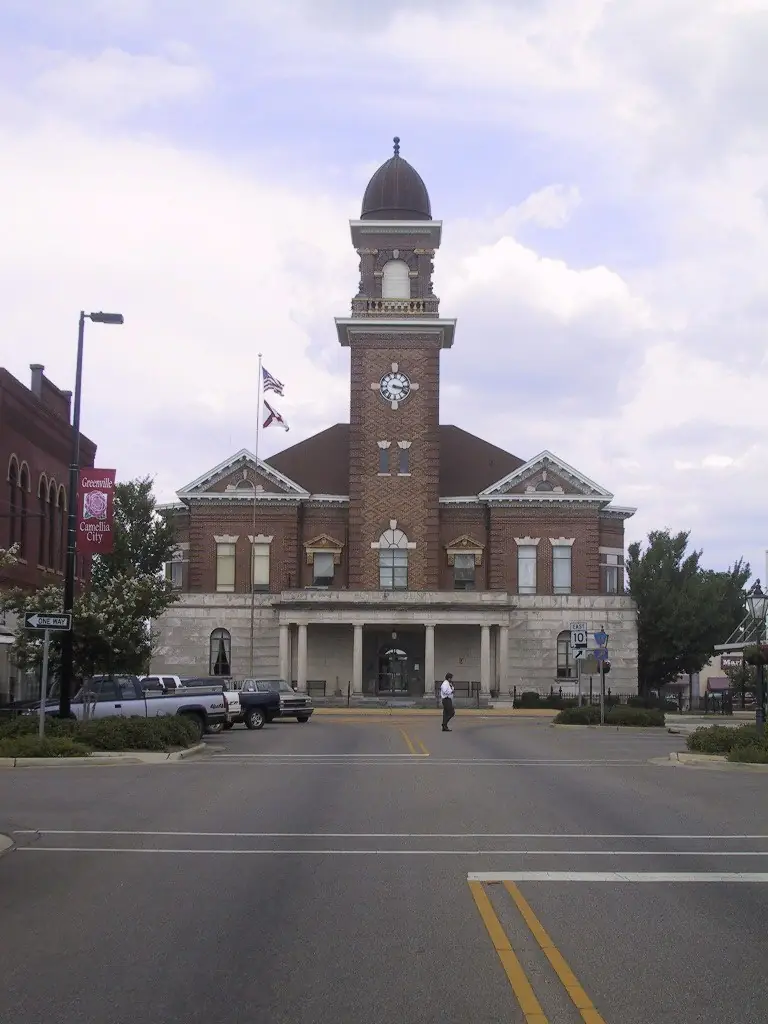
Together, we are building this place we call home with talented people and partnerships, with innovation and entrepreneurship delivering on Greenville’s promise.
Partner spotlight / Hyundai, Hwashin America, LBW
Hwashin America has built body and chassis parts in Greenville since 2003 as a tier-one supplier to Hyundai Motor Manufacturing Alabama in Montgomery. This October, Hyundai itself chose to invest in the Greenville plant.
$8,365,488
Hyundai tooling investment at Hwashin's Greenville facility, approved by the City Council on Oct. 12, 2026
Montgomery
The assembly plant Hwashin supplies.
Greenville
More than 800 employees. A separate $65 million expansion adds a 60,000 sq ft building and 40 new jobs.
Greenville By-Pass
Near I-65, about 50 miles from Montgomery. LBW offers industry training, Skills for Success courses and registered apprenticeships.
“It is somewhat unique, but it also shows the importance of Hwashin being a tier-one supply chain company for HMMA.”
Since 2003
Jobs are already here. What matters next is whether residents can train for them close to home. LBW Community College, with a campus in Greenville, offers customized industry training, free Skills for Success courses and registered apprenticeships across a region that includes Butler County. Through Project Camelia, the iLAB will interview employers and workforce partners to map where local training and employer demand still do not meet.
Talk with us about workforce readinessDrawn from published reporting. Hyundai, Hwashin America and LBW Community College appear here as part of Greenville's workforce story. This does not indicate an iLAB partnership, funding or endorsement.
Executive Brief
Join us for an afternoon that marks a turning point not just for one community, but for the future of rural innovation across Alabama powered by 2150 Center For Innovation and The Partnership For Innovation.
This small but powerful convening conversation of national leaders, innovators, students, and community champions is curated to frame a plan to unlock Alabama's rural economic potential, followed by an announcement to launch the Greenville Regional Innovation iLAB. This think tank, ideation and commercialization hub will drive AI-powered entrepreneurship, workforce readiness, and community championed economic growth, starting here and built to scale.
Grounding it all: the findings of the Digital Placemaking & Economic Ecosystem project, which spent the summer documenting Greenville's heritage and mapping its assets proving that when you invest in a community, it invests back. The tour, talk and taste event frames investment pathways where something bigger begins, Greenville, Alabama.
About
PIN is a public-private catalyst advancing innovation-led economic growth and shared prosperity across Georgia and the Southeast. Since 2020, PIN has delivered 220+ projects in 300+ communities with 200+ partners, deploying nearly 200 technologies and generating more than a 5x return for every dollar invested. Through paid Emerging Innovators fellowships and internships and community-anchored, university-driven solutions, PIN connects talent, research, and capital to scale socio-economic impact.
Learn more at www.pingeorgia.orgAbout
2150 is a leading accelerator and venture studio for HBCU talent and research with national and international partnerships and collaborations. Since launching in 2023, 2150 has aligned curriculum, mentorship, and investment to produce market-driven ideas and $50M in startup valuation. Through the 2150 iLABs, students and researchers are working with industry leaders to problem solve and curate innovation ecosystems.
Learn more at www.2150innovate.orgLed by 2150, with PIN and the City of Greenville
Industry alignment: Southern Company. Alignment does not imply funding or endorsement.
2150 / Project Camelia / Greenville Innovation Hub
Current stage: Research and validation. Commercialization is the ambition, not a claimed result.
The thesis
Rural innovation hubs can become engines of local enterprise when technology access connects with employer demand and feasible infrastructure. Project Camelia provides a community setting for testing that connection.
What minimum package of space, connectivity, skills and business support would enable a first group of Greenville residents to move from training or ideas into usable enterprise opportunities?
02 / Planned solution
Begin at the City Facility / YMCA building recreation room. Assess equipment, connectivity and access; interview residents, businesses and workforce partners; map one priority enterprise barrier; compare a limited intervention with larger buildout options.
Fall case-study outputs
Track: recurring hub use, validated business ideas, pilot customers, operating cost and participant progression.
03 / Startup opportunity
A rural innovation hub operations and enterprise-development service, or a specific resident-founded business validated through the hub. Candidate buyers for the operating service include municipalities, economic-development organizations and employers.
04 / Evidence for investment
Test one repeatable paid service.
Do that before treating the hub as a scalable business. Preserve the phased plan, with expansion subject to resources and results.
Immediate local access, then expansion guided by evidence, resources and results.
01
Now / City Facility / YMCA building
Begin with access. Begin in the recreation room. Assess equipment, connectivity and access, then connect training and early ideas with employer demand and feasible infrastructure.
02
Target: Spring 2027 / Downtown Greenville
Expand with evidence. A downtown expansion is targeted for spring 2027, subject to resources and results. Compare a limited first intervention with larger buildout options before committing to more space.
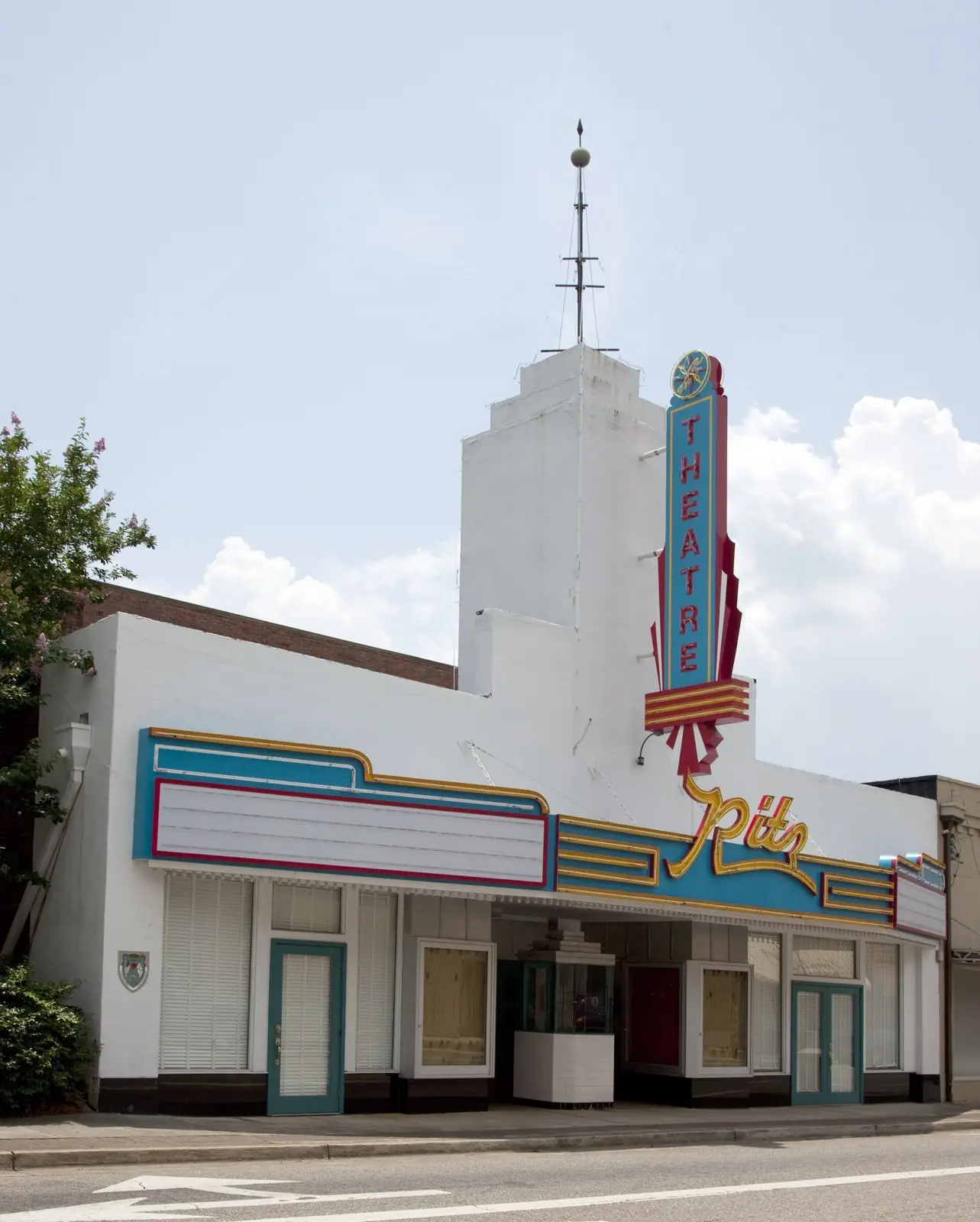
03
Envisioned: 2028 / Greenville
Build what the results support. A larger ecosystem is envisioned for 2028, subject to resources and results. Use a first-pilot operating plan and costed expansion criteria to guide what comes next.
The case for support
For Project Camelia, support begins with hub equipment, local coordination, training and venture validation. Grant support can enable the people and practical testing needed to move from research toward a viable enterprise.
These are evidence requirements, not outcomes already achieved. Test one repeatable paid service before treating the hub as a scalable business.

Support the students, professors and industry collaborators moving real problems toward practical solutions and impactful companies.
Submit an idea